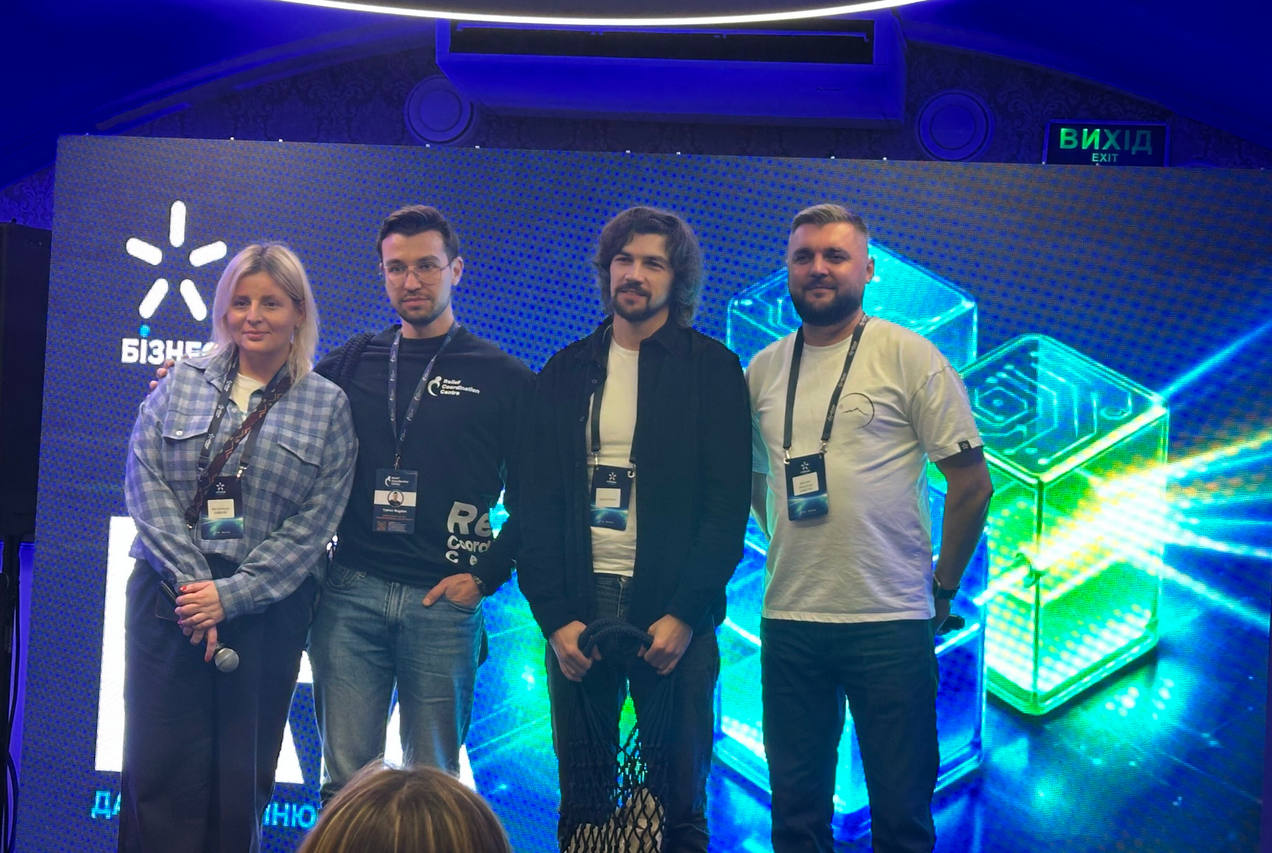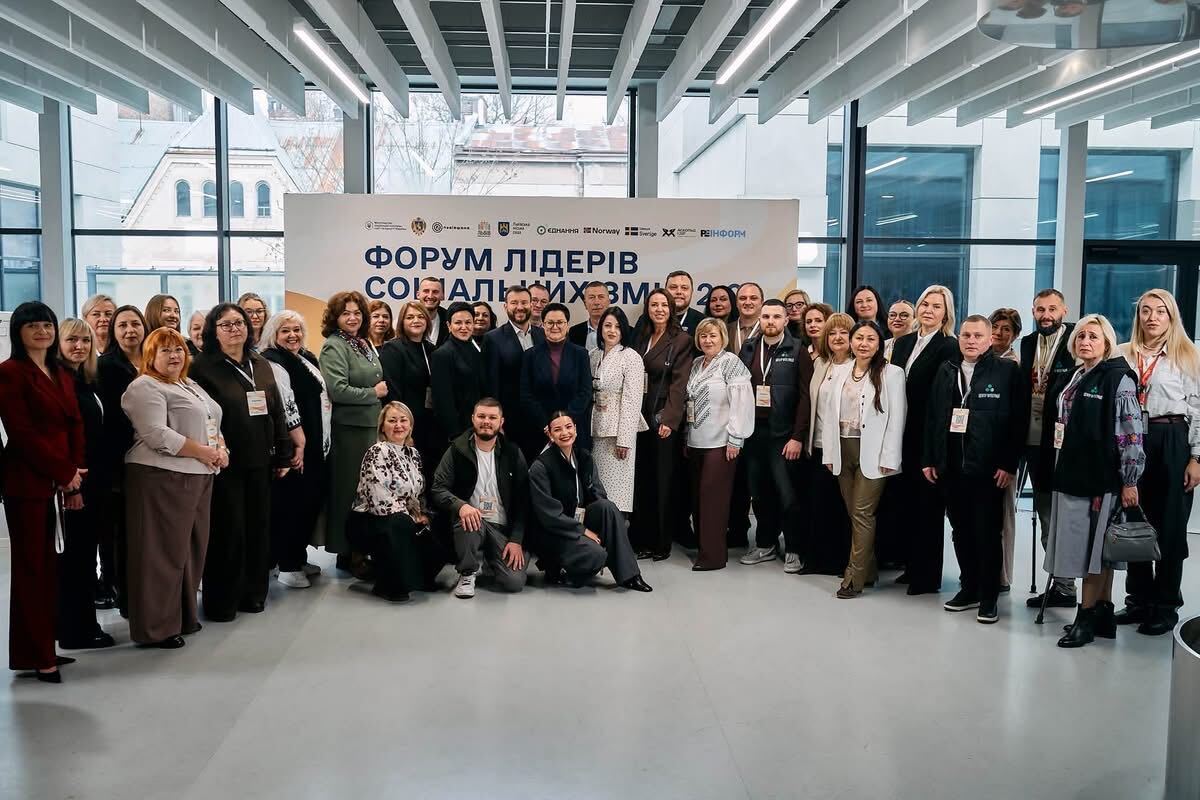
Support for internally displaced persons, the development of social services, and cooperation between the state and the humanitarian sector were the key themes of the «Social Change Leaders Forum 2.0» attended by Yevhen Kolyada, Head of the Charitable Organization «Relief Coordination Centre».
The event brought together representatives of state authorities, military administrations, and the civil society and humanitarian sectors. Among the participants were Deputy Prime Minister for Humanitarian Policy and Minister of Culture of Ukraine Tetyana Berezhna, Minister of Social Policy, Family and Unity of Ukraine Denys Uliutin, and Deputy Minister of Social Policy, Family and Unity of Ukraine Tetiana Kiriienko.
Discussions focused on critical issues requiring coordinated action and joint solutions:
✓ Developing social services in communities, expanding employment opportunities, and supporting internally displaced persons.
✓ Preparing for the winter period and coordinating the efforts of the state, communities, volunteers, and humanitarian organizations.
✓ Transitioning from ad-hoc involvement of charitable organizations to a systemic partnership with the state, based on a clear division of powers and responsibilities.
✓ Practically implementing cooperation mechanisms already provided by legislation, whereby the state is responsible for managerial decision-making, while civil society and humanitarian organizations strengthen its capacities through their experience, resources, and capabilities.
✓ Ensuring continuous support for evacuees—from departure from dangerous areas to further accommodation and receiving necessary assistance.
“We must build a system in which a person does not have to figure out who exactly—the state or a civil society organization—is responsible for the next stage of their evacuation. For the individual, there must be a single, clear, and safe pathway of assistance,” emphasized Yevhen Kolyada.
We thank our partners for the joint initiatives already implemented, professional interaction, and readiness to find solutions even under challenging conditions. This experience lays the foundation for further developing cooperation, strengthening coordination, and improving humanitarian response.