The humanitarian sector in Ukraine is facing a new level of challenges in 2025–2026. The rapid evolution of FPV drones, the expansion of risk zones, and the growing number of incidents targeting humanitarian transport create threats not only for humanitarian workers and volunteers, but also for the civilian population that depends on evacuation, humanitarian aid, and essential life-saving services.
In the current context, the safety of humanitarian missions can no longer be viewed as an internal matter of individual organizations. It is an integral component of humanitarian access and a prerequisite for the delivery of the humanitarian mandate.
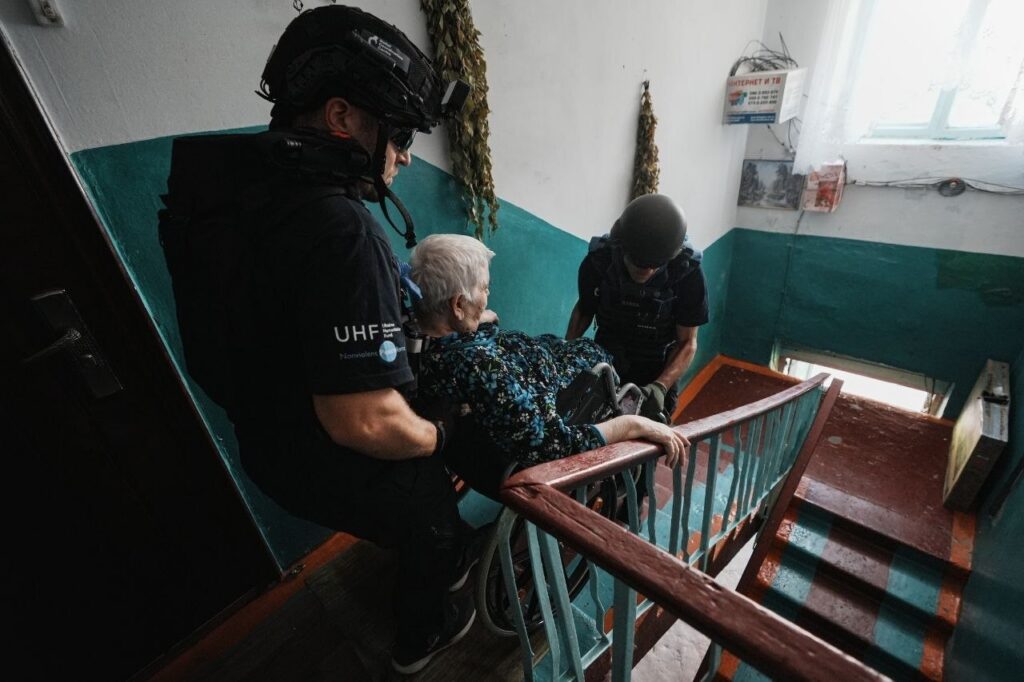
When humanitarian teams are unable to operate safely in frontline communities, people lose the ability to evacuate from areas of danger, receive medical assistance, access livelihoods, and obtain other critically important support. Consequently, risks faced by humanitarian workers directly translate into risks for the civilian population.
That is why investments in duty of care, secure communications, insurance, staff training, armored transport, psychological support, and modern early threat detection systems should be regarded not as administrative costs, but as a necessary condition for ensuring continuous humanitarian response.
Originally published: 20 Aug 2026 Languages: English